
How GenAI Tools Enable Rapid Impact
A Case Study in Building the PEPFAR Impact Tracker

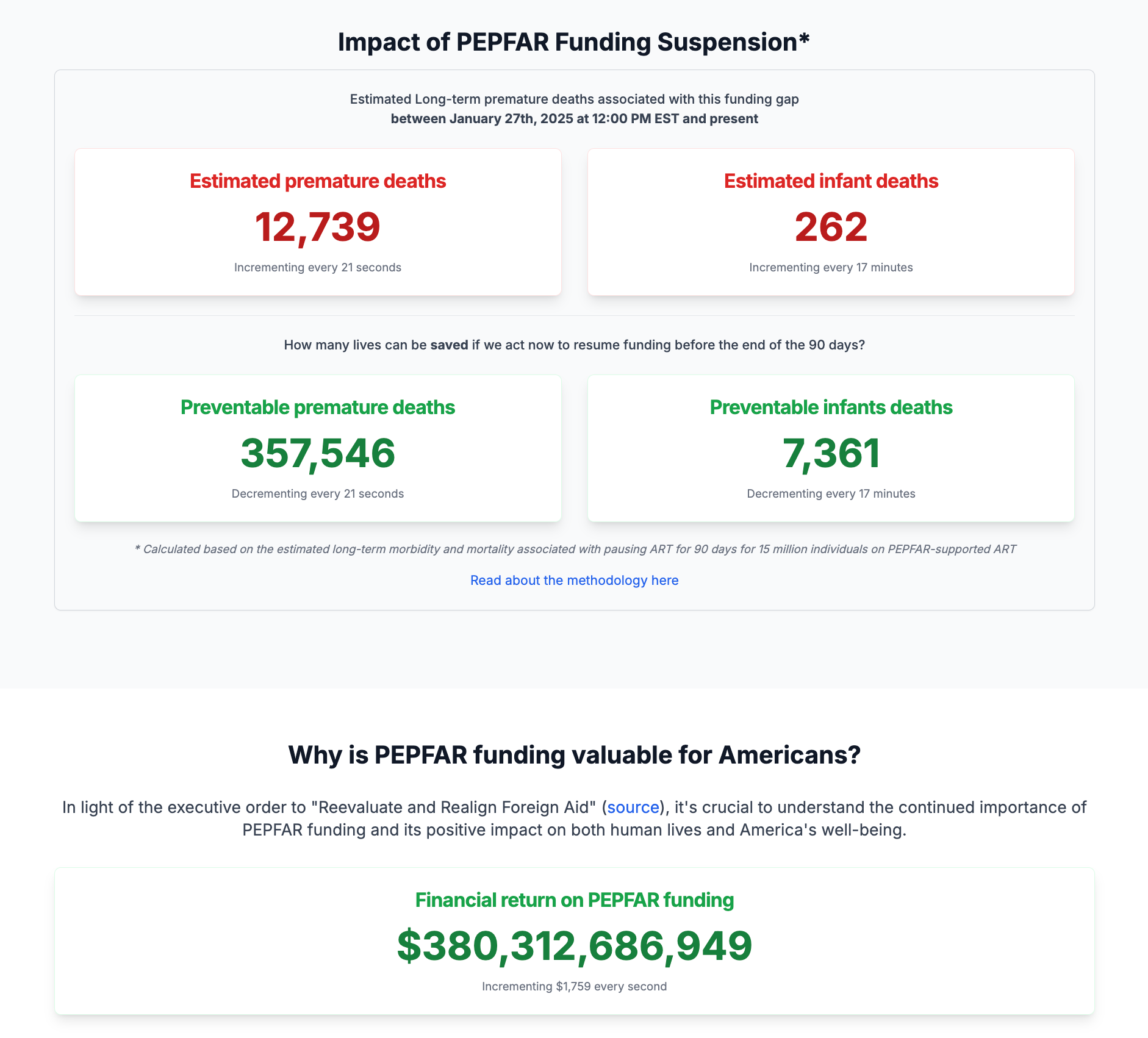
The promise of generative AI isn't just about automation - it's about democratizing the ability to create meaningful change. A recent experience building an impact tracker to illustrate the impact of a sudden policy change perfectly illustrates how AI tools are transforming the speed and accessibility of digital creation.
The Catalyst
It started with a text message on my bike ride home. A friend in academia, Dr. Nichols, reached out about an urgent situation: the US had just announced a 90-day suspension of foreign aid funding. Global aid organizations were scrambling to understand the implications and communicate the human impact of this funding gap.

What followed was a whirlwind 24 hours that demonstrated the new reality of AI-enabled rapid development. It showed how the average person can reach new audiences with almost no friction.
From Expertise to Interactive Experience in Minutes
The traditional path from expert insight to public-facing tool would typically involve:
Planning
Design
Development
Testing
Deployment
Feedback
Instead, using v0.dev and other GenAI tools, we collapsed this entire process into a single evening - including over 5 rounds of live feedback from peer groups around the world. Dr. Nichols had already done the crucial work of calculating the human impact (the code). All that remained was transforming those insights into an interactive, shareable experience.
The key shift? I never even looked at her code (sorry). Instead, I simply described the problem and desired outcome to the AI. Within minutes, we had a functional prototype - complete with counters, borrowed images, and basic text. While simple, it was immediately shareable and, most importantly, it evoked reactions.
The Power of Starting Simple
This experience highlights a key insight: sometimes the most effective digital solutions don't require complex applications or extensive development. What made this project successful was its focus on immediate visibility and basic functionality.
The transformation wasn't in the complexity of what we built, but in how quickly we could:
Turn expert knowledge into something visual
Share it with a broader audience
Gather feedback and improve
Make complex data feel immediate and personal
When the goal is to communicate impact and drive understanding, AI tools excel at helping us create simple, focused experiences. We didn't need a full application - we needed a clear message and basic interactivity, something that could be built and refined in real-time as feedback came in.
Real-Time Evolution
The magic wasn't just in the initial creation (though as a mediocre/poor developer it felt like magic at times) - it was in the rapid evolution that followed. Within hours of launch:
WhatsApp groups formed with suggestions and feedback
Peer review refined our numbers
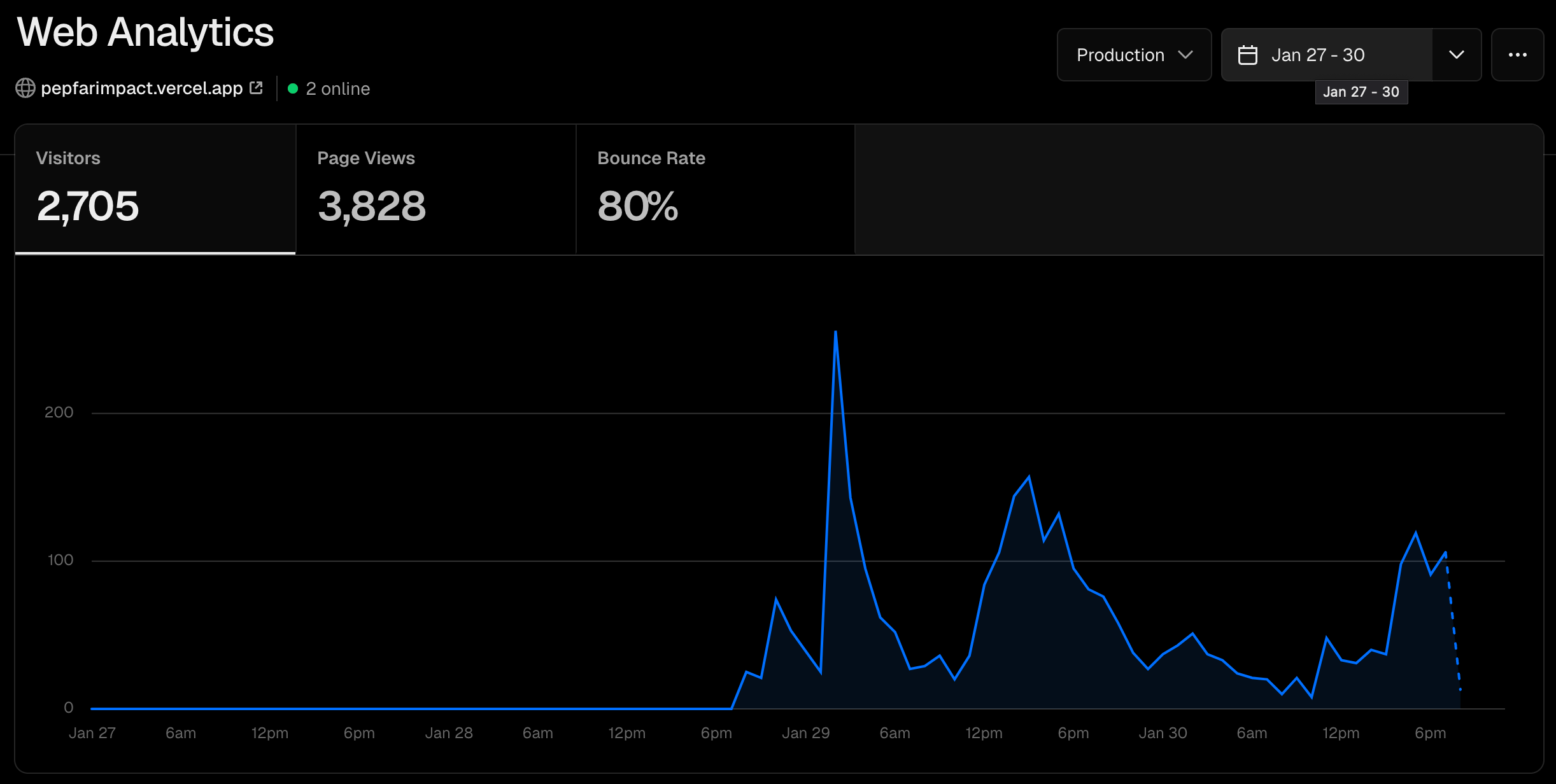
Site Analytics showed 80% mobile usage, prompting UI adjustments
New metrics were added based on user feedback
Methodology and citation pages emerged
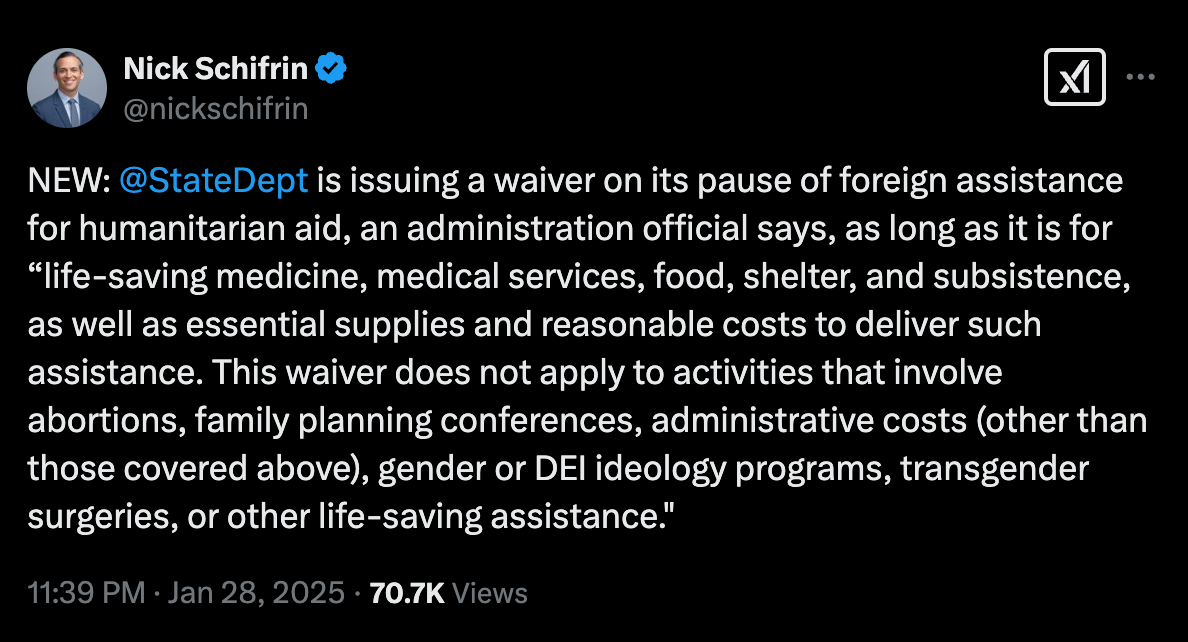
By midnight, our basic prototype had evolved into a trusted resource reaching thousands of people. The next day, when a funding waiver was announced, we had reason to believe our tool had played a role in driving change by visualizing the human impact of this policy change.
The Creator Economy Implications
This experience points to a broader transformation in who can create digital impact:
Domain experts can directly translate their knowledge into interactive tools
Non-technical creators can focus on messaging and user experience
Feedback loops are compressed from weeks to hours with fully formed artifacts to interact with
The barrier to entry is now ideas and urgency, not technical skill
Tools of Transformation
The technical stack that enabled this rapid development included:
v0.dev for frontend generation
Claude for content refinement and summarization
(Sonnet reliably gives me better results)Analytics for real-time user insight
But the real story isn't about the tools - it's about the new workflows they enable.
Product Management in the AI Era
As a product manager, this experience felt natural - rapid iteration based on user feedback is our bread and butter. The difference is that AI now makes this approach accessible to everyone. The core skills remain crucial:
Simplifying and sharpening presentation and message
Rapid response to feedback
Applying UI/UX principles
Maintaining consistency in look and feel
But the technical barriers to implementing these principles have largely disappeared. And thankfully the AI doesn’t roll its eyes when i make 100s of small changes rather than less more thoughtful changes.
Looking Forward
This case study is just one example of how AI is democratizing digital creation. The most important factors are no longer technical expertise or development resources - they're:
Clear vision
Willingness to iterate
Ability to listen and respond
Urgency to act
The tools to create meaningful digital experiences are now available to anyone with an idea and the drive to make it reality. The question is no longer "Can we build this?" but rather "What should we build next?"